

Bingo App Real Money: What Stands Out When You Actually Play
Most bingo apps lean on nostalgia and bright dabbers, but the real-money category in 2025 has shifted toward shorter sessions, sharper visuals, and tighter wallet controls. Players in Canberra and beyond are increasingly weighing app design as heavily as bonus size. From a presentation standpoint, the apps that hold attention are the ones that respect the ticket-buy rhythm, not the ones drowning you in overlays. Here is how the format shapes up when the marketing slides are stripped away.
Identity, Core Rooms, and Where the Brand Earns Its Place
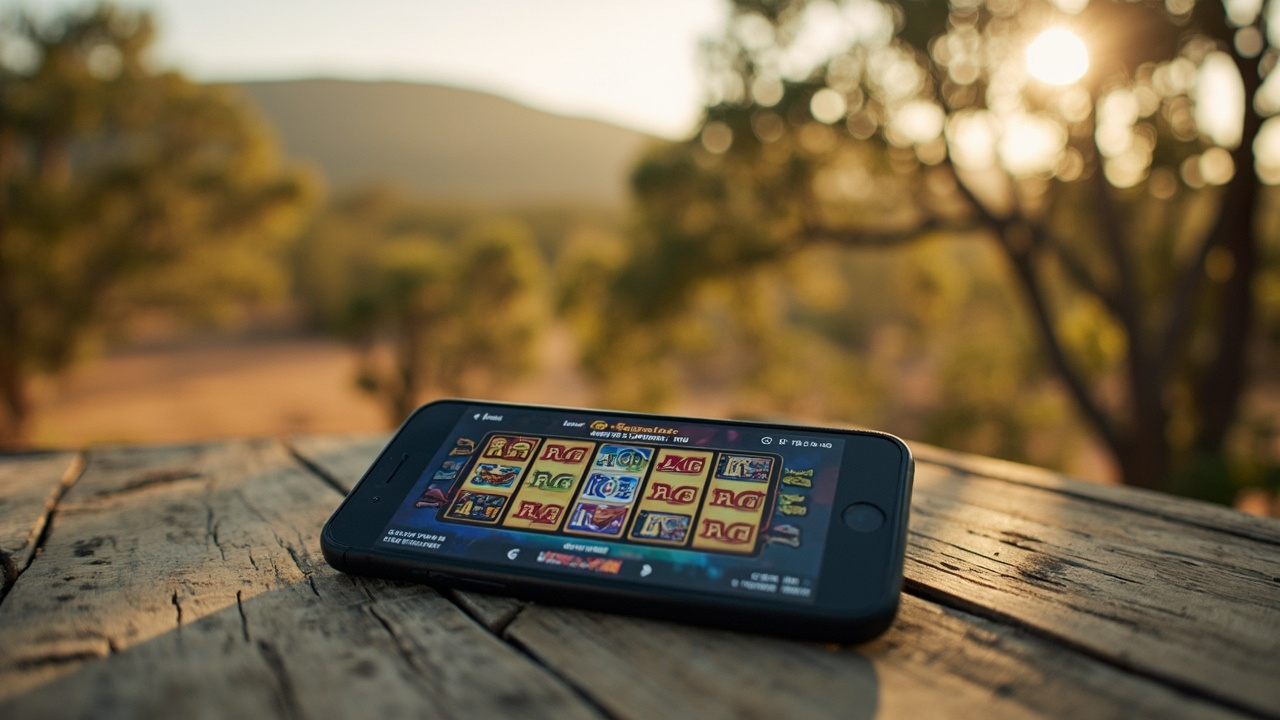
Lumi Bingo positions itself as a mobile-first, AUD-friendly bingo app with a slim interface, and most of the design choices are made in service of one-handed play. Core offer runs 75-ball and 90-ball rooms every few minutes, plus slots and instant-win scratch cards from Pragmatic Play and Microgaming, categorised by volatility band. Two traits stand out: tickets start at A$0.10 for cheap casual sessions, and a one-hand layout puts dabbers, chat, and buy-ticket buttons inside thumb reach. From a Playtech art-direction lens, that thumb-reach rule forces good design – it’s the same logic we used porting cabinet titles to portrait tablet, where the viewport is brutal and clutter gets punished. Chat moderators run during AEST peak windows, which is where most of the social texture lives. Registration takes about ninety seconds and accepts POLi, PayID, Visa, Mastercard, and crypto rails. Verification follows ACMA-aligned KYC steps before the first withdrawal, which is standard for the category, not a red flag. Players weighing sign-up offers should see how the brand frames its welcome package, and https://luckyelfnodeposit.com breaks down that entry path clearly enough to skip the marketing fluff.
Bonus Mechanics, Loyalty, and How the Long Game Reads
The first-deposit match is 100% up to A$200 plus 30 free tickets on the 90-ball Lounge, which runs nightly from 7pm AEST. After that, daily login bonuses drop small ticket bundles and the loyalty track hands out points per A$1 wagered, redeemable for bonus credit or entries to the monthly freeroll. Compared to the US apps like Bovada and UK brands like Mecca, Australian-facing bingo apps tend to run leaner promos – more reload offers, fewer splashy welcome stacks. This “churn” is why even small edges produce large casino revenues. On the visual side, the rooms favour static ticket cards over animation-heavy lobbies, which is a deliberate choice: animation burns battery and slows load times on regional 4G. From a creative workflow angle, locking down a tile-based ticket grid early lets the team iterate on lobby mood and jackpot ticker without breaking the build. It’s a tighter pipeline than what we ran on legacy Playtech bingo kits, where every art change meant re-exporting sprite sheets by hand. The monthly freeroll pool sits at A$5,000 in ticket credit, which is modest but realistic for the player base.
Payments, Limits, and the Realities Beneath the Hype
Minimum deposit is A$10 through POLi and PayID, A$20 through card, and the cashier caps daily withdrawals at A$5,000 unless you’re verified under enhanced due diligence. Processing for PayID usually clears inside two hours; card withdrawals take one to three business days. Crypto is faster on the way in and out, but adds friction for anyone new to wallet custody. None of this is unusual for the category, but the limits are worth weighing against how you actually play and how much float you keep in your account between sessions. Across the ditch and the Pacific, US-facing rooms in Reno and Lake Tahoe form northern Nevada’s casino corridor, where cash-on-floor speed sets a benchmark apps rarely match. The trade-off is licence overhead: app-first operators shoulder compliance costs that land-based joints pass to the regulator, and the player eventually funds that through tighter RTP ceilings on side games. Live chat agents pull from a Brisbane-based desk covering the AEST window, and players testing from Civic and Kingston report similar response windows, so staffing holds outside the Sydney-Melbourne corridor.
When the Format Fits – and When It Doesn’t
A bingo app real money format suits anyone who wants short, repeatable sessions without a desktop commitment. It does not suit anyone chasing deep bonus-hunting or table-game variety. The honest split:
- Works well for commuters, shift workers, and arvo-downtime players who want tickets bought in under fifteen seconds
- Works well for loyalty climbers who value monthly freeroll entry over headline welcome size
- Falls short for live-dealer fans and progressive-jackpot hunters, where the side catalogue is too thin
- Falls short for anyone in a slow-coverage area, where 4G drops mid-daub will cost you a session
The same trade-off shows up in how teams build: leaner apps ship faster and fix bugs faster, which suits a commuter rhythm but frustrates anyone used to the in-room depth of a Mecca Tuesday session. In the UK, Mecca and Tombola have decades of community depth, which Australian apps haven’t matched yet – but the leaner approach here keeps the UI honest. The trade-off is real: less social texture, more speed. If you want a walkthrough of how the wagering maths actually stacks up against that format, the bingo bet guide lays the figures out in plain language.

The bingo app real money category in Australia rewards players who care about session length, ticket price discipline, and loyalty cadence over headline bonuses. Lumi Bingo covers the essentials without overpromising, and the AUD rails keep the maths clear from Manuka to a Civic café stop. If you want a quick, social way to play, it earns a spot on the home screen. If you want table depth, keep looking elsewhere.

QR Code:
