

How Casino Dealer Training Australia Shapes Your Table Strategy
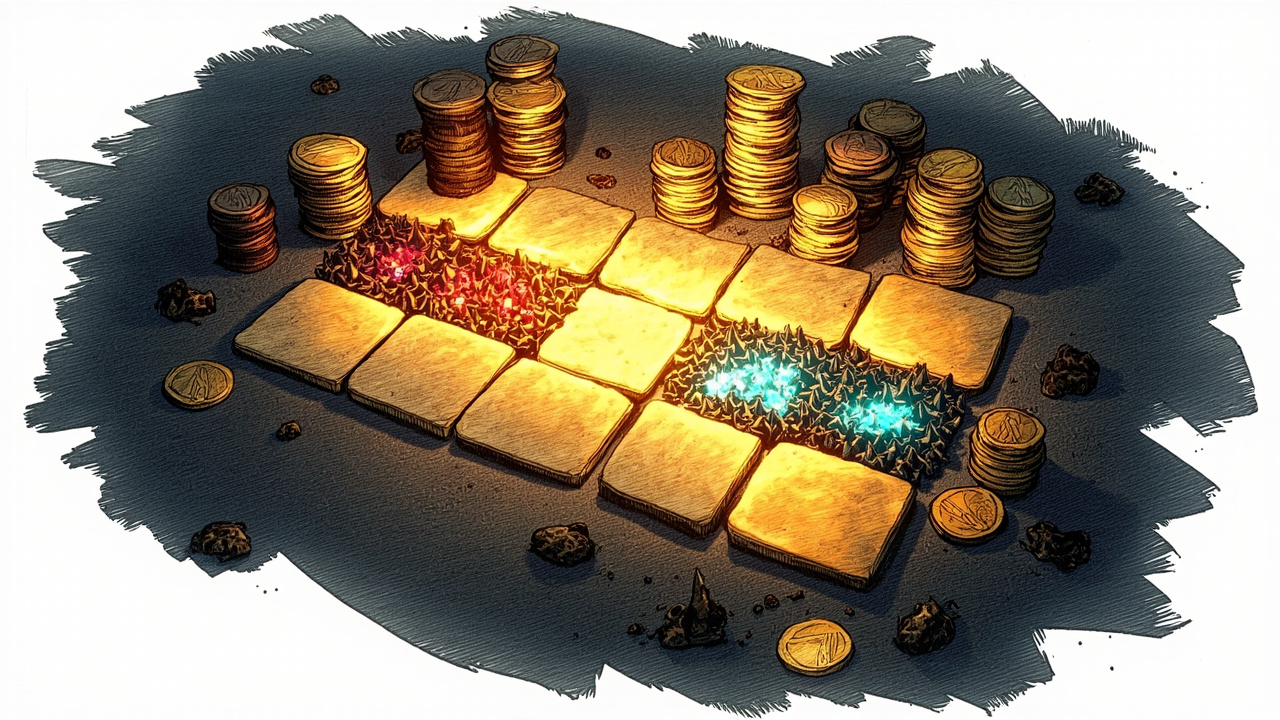
When you first step behind a felt layout, the rhythm of the room matters more than the cards in your hand. Casino dealer training Australia has quietly become a practical reference point for anyone curious about how tables actually run, because the standards now taught in local courses mirror what you see on busy floors overseas. Geelong venues still lean on that old-school hospitality feel, where a steady dealer can keep a crowded arvo session moving without anyone noticing the shift changes. If you have ever wondered why some tables feel smooth while others drag, the answer usually starts with how the staff were taught to read the game, not with the game itself.
How a Training Provider Sets the Standard
A solid training outfit does not just hand out rule sheets and hope for the best. Casino dealer training Australia tends to position itself around repeatable routines, clear signalling, and the kind of table etiquette that keeps a game honest when the room gets loud. The core offer usually covers card handling, chip management, and the verbal calls that separate a professional table from a casual one, with a few providers adding scenario drills for high-pressure shifts. What stands out is how the everyday usability shows up in small details: a tidy shuffle cadence, predictable payout timing, and a dealer who knows when to slow the game down rather than rush it. From where I sit, that kind of discipline is the same thinking we use when we build acquisition funnels for Stake and Kick – the audience stays because the experience feels consistent, not because one flashy moment promised the world.
The comparison matters because community growth in iGaming has taught me that trust compounds slowly. A training provider that treats each table game as its own skill set, rather than lumping everything into one generic module, usually delivers something players can actually feel when they sit down. You can tell within ten minutes whether a course was built around real floor conditions or just a tidy brochure. The fit is best for people who want a grounded read on how tables operate, not a shortcut to pretending they run themselves.
What the Table Games Actually Teach You
If you want a honest read on what dealer training changes for a player, start with the games that look harder than they are. Craps tables are among the most complex-looking layouts in any casino, and a well-drilled dealer knows how to keep the pace steady without making the table feel like a lecture. That matters to a player because a calm table usually means clearer calls, fewer misunderstandings, and less second-guessing when the dice are live. Backgammon includes a doubling cube for raising the stakes, which sounds like a neat gimmick until you realise the cube is really a test of whether everyone at the table understands the risk they are taking. A trained dealer who can explain that mechanic without dragging the game into a long tangent is worth noticing.
Three-card monte is not gambling but a con with no real chance to win, and that distinction is exactly the kind of thing a proper training course should make clear instead of glamorising it. When I look at how social communities grow around table content, I see the same pattern: people stick around when the information is honest and leave fast when it is dressed up. A good training provider keeps the line between skill, chance, and outright deception visible, which is useful whether you are watching a live table or just trying to understand why some games feel fair and others do not.
A Quick Look at How the Offer Fits Day to Day
For players who are weighing whether this kind of training matters to them, the practical question is usually about fit rather than flair. A compact brand overview of casino dealer training Australia suggests a service built for people who want a usable read on table standards, not a long-winded course that turns every lesson into a seminar. The everyday usability comes down to whether the material is easy to revisit, whether the examples match real table conditions, and whether the language stays clear when the subject gets technical. A provider that keeps registration simple, mobile access sensible, and support responsive tends to feel less like a hurdle and more like a tool you can actually return to.
I have seen the same usability principle work in iGaming communities: if people have to fight the interface before they get to the content, they move on. A training setup that makes it straightforward to find a specific table rule, check a payout routine, or ask a direct question usually earns more repeat attention than one that feels polished but awkward to use. The overall fit is strongest for players who want a clear picture of how a table should run, especially if they are comparing what they see in person with what they have read online.
What Operators, Regulators, and Players Disagree About
Not everyone sees dealer training the same way, and that disagreement is worth keeping in view. Lily Fraser, Managing Partner, Eucalypt Digital Advisory, has pointed out that training standards can improve table consistency, but she also cautions that a polished course does not automatically translate into a better experience for every player, because room culture and staffing levels matter just as much. That is a fair caveat, and it lines up with what I have seen when communities grow around a brand: the product can be solid and the audience still feels the gap if the live experience does not match the promise.
Isla Fraser, Sports Betting Analyst, Great Southern Betting Review, takes a different angle, arguing that players often overestimate how much dealer training changes their own outcomes, since the bigger variable is usually discipline at the table rather than the dealer’s cadence. I reckon there is truth on both sides. Better training can make a table easier to read, but it does not remove the need for a player to manage their own pace and expectations. Eliza Cooper, Head of Operator Partnerships, Pacific Player Protection Institute, adds that the real value of training shows up in clarity and consistency, especially for people who want to understand what a fair table looks like before they commit any time or money to it.
That balanced disagreement matters because it keeps the review honest. A training provider can raise the standard of a table without pretending to solve everything else, and players can appreciate that improvement without assuming it levels the whole game. If you are weighing whether this matters to you, the useful question is not whether training is perfect, but whether it gives you a clearer frame for what you are walking into.
Where This Fits for an Australian Player
For an Australian audience, the practical value of casino dealer training Australia is mostly about context. Local venues, regional floors, and the way a busy room handles turnover all shape what you experience at a table, and a training-based read can help you separate a well-run session from one that is just busy. Geelong is a decent example of that mix, where the room can feel relaxed one hour and packed the next, and the difference often comes down to how the staff were prepared to manage the shift. If you are comparing options, it helps to think about what you actually want from the experience: a clearer understanding of table flow, a better sense of which games are straightforward, and a realistic view of where skill ends and chance takes over.
If you are also looking at how digital offers fit alongside that same mindset, you can read more about how players are approaching low-commitment sessions in Australia at lucky dreams australia. The same caution applies there as it does at a live table: a tempting offer is not the same as a smart session, and the people who stay longest are usually the ones who treat the offer as a starting point rather than a promise. For a different angle on how players judge game mechanics before they commit, you can also see how one analysis breaks down the appeal of multi-reel setups in read the reel analysis, which is a useful reminder that the format you choose changes the way you think about pace and risk.
When I compare that to the way we build community around Stake and Kick, the throughline is consistency again. People do not stay because one bonus or one table felt exciting for five minutes; they stay because the experience feels understandable and the standards do not wobble. That is the same reason dealer training matters in the first place. It gives you a reference point, not a guarantee, and that distinction is worth keeping front and centre.
Choosing What Matters Before You Sit Down
If you are using dealer training as a lens for your own decisions, the useful questions are fairly direct. Do you want a clearer read on how a table should run, or are you mostly chasing the feeling of a big moment? Are you comfortable telling the difference between a fair game and a setup that is dressed up to look like one? Do you prefer a provider that keeps things practical and easy to revisit, or one that leans on presentation and hopes the details sort themselves out? Those questions matter because the training itself is only useful if it changes how you judge what you see.
A solid course should help you notice the small things that shape a session: how the dealer calls the game, how the pace holds up when the room gets crowded, and whether the table feels organised or just loud. It should also leave you with a better sense of where your own decisions fit in, because no amount of training changes the fact that you still have to manage your own time, your own expectations, and your own limits. That is the part I always come back to in acquisition work: the offer can open the door, but the experience has to hold up once people are inside.
For players who want a grounded way to think about tables, casino dealer training Australia is best treated as a practical reference rather than a shortcut. It can sharpen your eye for how a game is run, help you spot the difference between real table standards and a polished surface, and give you a more honest basis for deciding what deserves your attention. If you keep that frame in mind, the training becomes useful without turning into hype, and the table becomes easier to read without pretending it runs itself.
QR Code:
