

Untitled
Best Pokies to Play with 20 Dollars: A Usability-First Approach for Aussie Spinners
Most pokie reviews chase six-figure jackpots and overlook the player working with a modest $20 bankroll. From a game-producing standpoint, I’ve watched countless products marketed hard yet feel clunky the second you log in. This piece takes a different tack: a usability-first read on the https://legacy-of-dead-slot-au.com experience, and platforms like it, built for Australian adults spinning with twenty bucks. Brisbane spinners, reckon this one’s for you.
Visual Identity and Navigation – Why a Clean Interface Protects a Small Bankroll
When you’re spinning with twenty bucks, every tap matters. A cluttered lobby or sluggish menu eats seconds that compound into lost momentum, and that’s before you’ve spun a single reel. The platforms that handle low-stake play best tend to favour flat visual hierarchies, high-contrast reels, and a single primary action button per game card. I saw this in the early Play’n GO roadmaps during my consulting years – usability was a stated KPI, not an afterthought – and it’s a lens worth applying to any $20-focused product.
The maths argument is straightforward: mis-taps on a busy interface can easily cost you 5-10% of your starting stack before you’ve settled in. Sites that lean into generous whitespace, sticky filters, and visible bet selectors let you stay focused on the math, not the menu.
A short list of UI features that actually move the needle for a small bankroll:

- Persistent search bar pinned to the top
- Volatility and min-bet shown on every tile
- A single “Play” button per card, not three
- A collapsible provider filter on mobile
These choices don’t just look tidy; they shrink the cognitive load of picking a game when your balance is already on a short clock, defo improving the texture of a short session.
Localisation, Currency, and Search – Speaking Strine from Brisbane to the Burbs
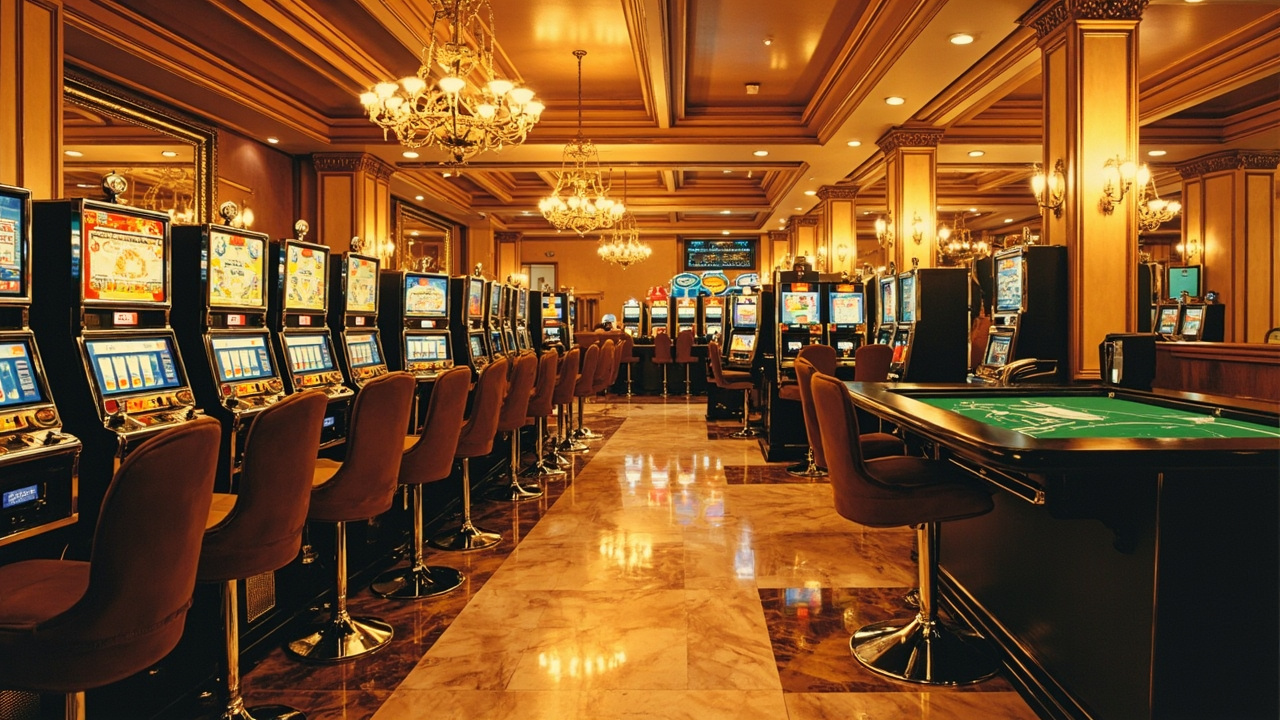
Localisation is where most offshore pokies sites quietly fall apart for Australian players, and it’s exactly where a $20-focused product should be winning. AUD as a default currency, PayID and POLi listed front and centre, and a registration flow that doesn’t ask for a US zip code – these are table stakes, not nice-to-haves. Brisbane-based players will defo appreciate a site that displays the local time correctly, offers support during AEST/AEDT hours, and uses metres, kilogrammes, and litres rather than the imperial version.
Search is the unsung hero of everyday usability. A weak search bar buried under a hamburger menu forces you to scroll through 800 tiles to find Big Bass Bonanza; a strong one returns typed results in under a second with provider and RTP filters attached. The best examples also remember your last search and let you sort by volatility, theme, or release date. From a loyalty-design perspective, this kind of friction-reduction is what keeps a casual $20 spinner coming back for a second session rather than bouncing after a single login.
Game Mix and Bonus Mechanics Tuned for Twenty Bucks
A tight budget changes the calculus on which games deserve your time. Volatile five-reel slots with $5 minimum bets chew through $20 in a handful of spins; low-to-medium volatility games from Pragmatic Play, NetEnt, and Push Gaming stretch that same twenty into 40-plus minutes of meaningful play. RTP in the 96% bracket or higher becomes non-negotiable when you’re running lean. You can read more about crypto casino bonus rounds elsewhere on this site, where session-length mechanics are unpacked in plain detail.
Bonus mechanics should reward small deposits without burying the terms in fine print. Wagering requirements expressed clearly – and capped at a sensible multiplier on the bonus portion – make the difference between a usable offer and a trap. The strongest products avoid retrofitting sportsbook concepts awkwardly into slots; a “non-runner no bet” refund, where stakes are returned if a selection is withdrawn, is a fairness signal that belongs in betting, not bolted onto pokie bonus T&Cs. A $20 player who reads the bonus page once and walks away knowing the rules is a player who’ll come back next arvo.
| Game Style | Avg Min Bet | Volatility | Fit for $20 |
|---|---|---|---|
| Classic 3-reel | $0.10 | Low | High |
| 5-reel video (low vol) | $0.20 | Low-Medium | High |
| Megaways™ | $0.20 | Medium-High | Medium |
| Bonus-buy heavy | $1.00+ | High | Low |
Mobile, Support, and Loyalty – Everyday Usability Beyond the First Spin
A $20 player is usually on a phone, between meetings or during a smoko break. That reality should shape every product decision: lightweight HTML5 builds, thumb-reachs, and a cashier that doesn’t ask you to retype card details on a $10 top-up. Apps are welcome, but a properly responsive mobile site covers most of what casual spinners need. Brisbane spinners in AEST get a smoother experience when the support team covers local hours, and the strongest sites staff their live chat accordingly.
Loyalty programmes for small-bankroll players should be built for the long game, not the first week. Tiered points that convert to bonus credits, weekly cashback on net losses, and tournament entry tied to turnover rather than deposit size are signs of a product designed for everyday play. Pub and club pokies, for context, sit under a separate licensing regime from casino-floor products, so anyone comparing online play to their local should know the regulatory line is drawn differently. The job of a good loyalty programme is simple: keep the maths transparent, the cashier quick, and the welcome mat out on a Tuesday night.
The $20-budget lens changes what “good” means at a pokie site, and once you’ve tried it, the old way of evaluating feels clunky. Reckon you’ve found a hidden-gem pokie that stretches a twenty further than it should? Drop the name in the comments, or share this with a mate still burning $50 a session on the wrong games. The community reckons the best picks are the ones you don’t gatekeep – so what’s your go-to for a $20 arvo spin?
QR Code:
